REFUTATION
The Preservation of the Qur'an: History, Manuscripts, and the Islamic Tradition-3
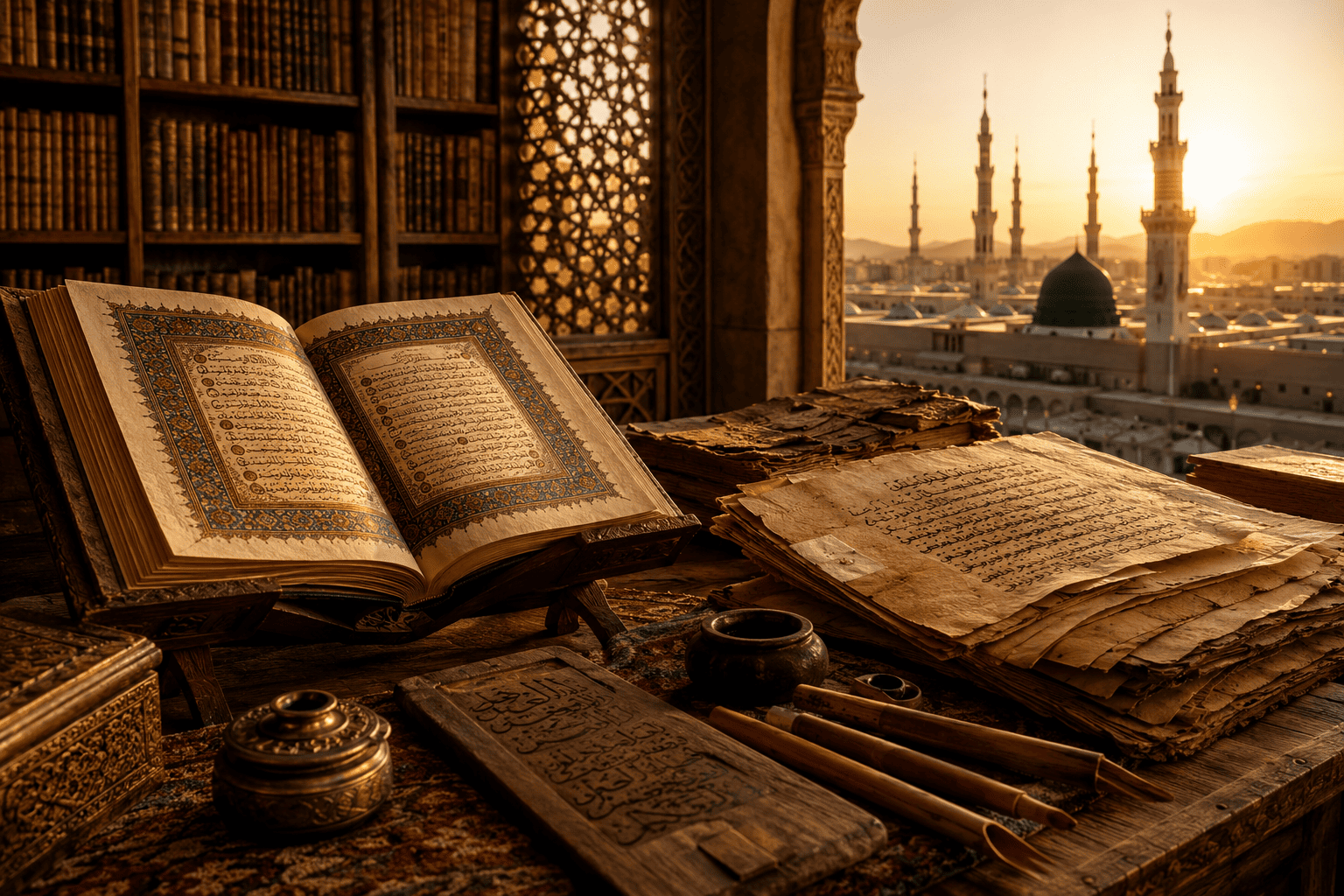
The preservation of the Qur'an is one of the most significant subjects in Islamic studies and one of the most frequently discussed topics in conversations about Islam. Muslims believe that the Qur'an is the final revelation from Allah and that He Himself promised to preserve it from corruption. Critics, however, often question whether the Qur'an has changed over time, whether verses were lost, or whether different versions once existed.
This article examines the Qur'anic claim of preservation, the methods used by the first Muslim community to preserve the revelation, the compilation of the Qur'an during the caliphates of Abu Bakr and Uthman ibn Affan, early Qur'anic manuscripts, the Islamic manuscript tradition, and modern academic scholarship. It distinguishes between authentic historical evidence, scholarly interpretation, and common misconceptions while presenting the topic within its historical context.
Read answer
REFUTATION
The Preservation of the Qur'an: History, Manuscripts, and the Islamic Tradition-2
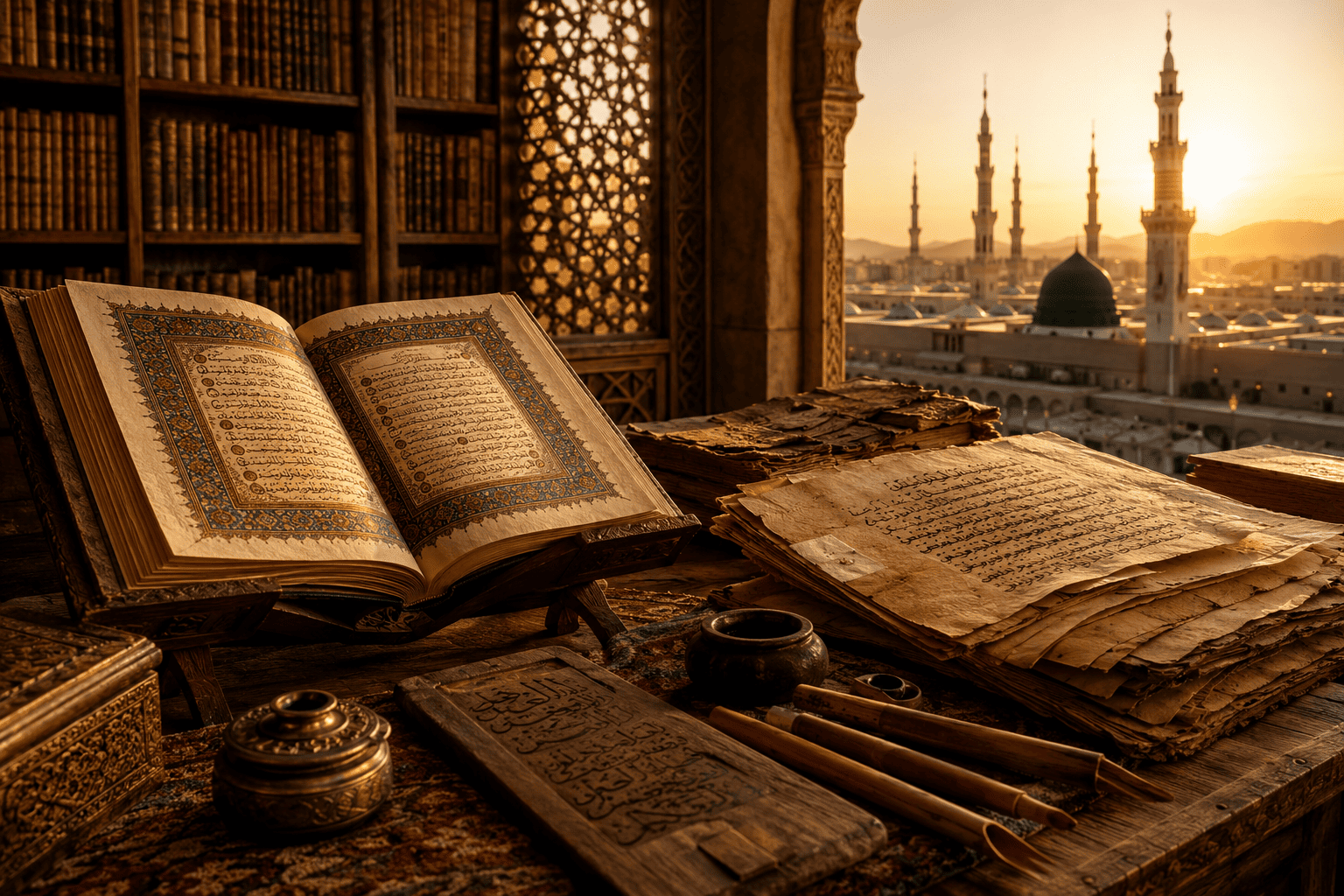
The preservation of the Qur'an is one of the most significant subjects in Islamic studies and one of the most frequently discussed topics in conversations about Islam. Muslims believe that the Qur'an is the final revelation from Allah and that He Himself promised to preserve it from corruption. Critics, however, often question whether the Qur'an has changed over time, whether verses were lost, or whether different versions once existed.
This article examines the Qur'anic claim of preservation, the methods used by the first Muslim community to preserve the revelation, the compilation of the Qur'an during the caliphates of Abu Bakr and Uthman ibn Affan, early Qur'anic manuscripts, the Islamic manuscript tradition, and modern academic scholarship. It distinguishes between authentic historical evidence, scholarly interpretation, and common misconceptions while presenting the topic within its historical context.
Read answer
REFUTATION
The Preservation of the Qur'an: History, Manuscripts, and the Islamic Tradition-1
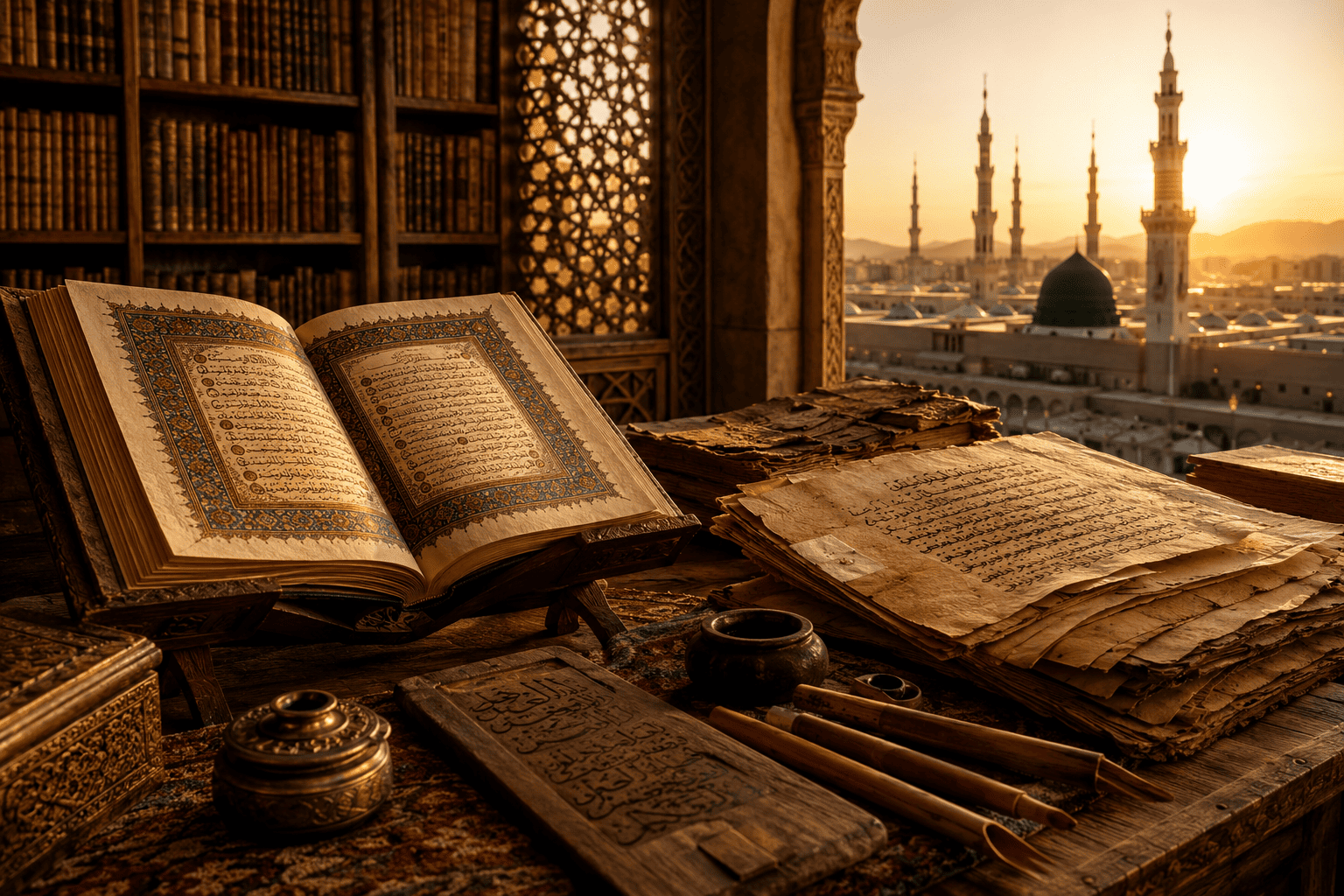
The preservation of the Qur'an is one of the most significant subjects in Islamic studies and one of the most frequently discussed topics in conversations about Islam. Muslims believe that the Qur'an is the final revelation from Allah and that He Himself promised to preserve it from corruption. Critics, however, often question whether the Qur'an has changed over time, whether verses were lost, or whether different versions once existed.
This article examines the Qur'anic claim of preservation, the methods used by the first Muslim community to preserve the revelation, the compilation of the Qur'an during the caliphates of Abu Bakr and Uthman ibn Affan, early Qur'anic manuscripts, the Islamic manuscript tradition, and modern academic scholarship. It distinguishes between authentic historical evidence, scholarly interpretation, and common misconceptions while presenting the topic within its historical context.
Read answer
REFUTATION
Featured
Marriage to Aisha: Context, Sources, and Historical Understanding
The marriage of Prophet Muhammad (peace and blessings be upon him) to Aisha (may Allah be pleased with her) is among the most frequently discussed topics in modern conversations about Islam. Many modern readers evaluate this event through contemporary legal and ethical standards, while historians begin by examining the earliest available evidence and the social realities of seventh-century Arabia.
Read answer